 English
 Español
  Português
  русский
  Français
  日本語
日本語  Deutsch
  tiếng Việt
  Italiano
  Nederlands
  ภาษาไทย
  Polski
  한국어
한국어  Svenska
  magyar
  Malay
Malay  বাংলা ভাষার
  Dansk
Dansk  Suomi
Suomi  हिन्दी
  Pilipino
  Türkçe
  Gaeilge
  العربية
  Indonesia
  Norsk
Norsk  تمل
تمل  český
český  ελληνικά
  український
  Javanese
  فارسی
فارسی  தமிழ்
தமிழ்  తెలుగు
  नेपाली
  Burmese
  български
  ລາວ
ລາວ  Latine
  Қазақша
  Euskal
  Azərbaycan
  Slovenský jazyk
  Македонски
  Lietuvos
  Eesti Keel
  Română
  Slovenski
  मराठी
मराठी  Srpski језик


How Do Plate Cutting Machines Improve Precision and Productivity in Metal Fabrication?
Article Summary
Plate cutting machines are essential tools in modern metal fabrication, enabling manufacturers to achieve high precision, efficiency, and consistency. This article explores how these machines work, the challenges customers face when selecting and operating them, and how to choose the right solution for different industrial applications. It also provides practical insights into machine types, performance factors, and maintenance strategies to maximize long-term value.
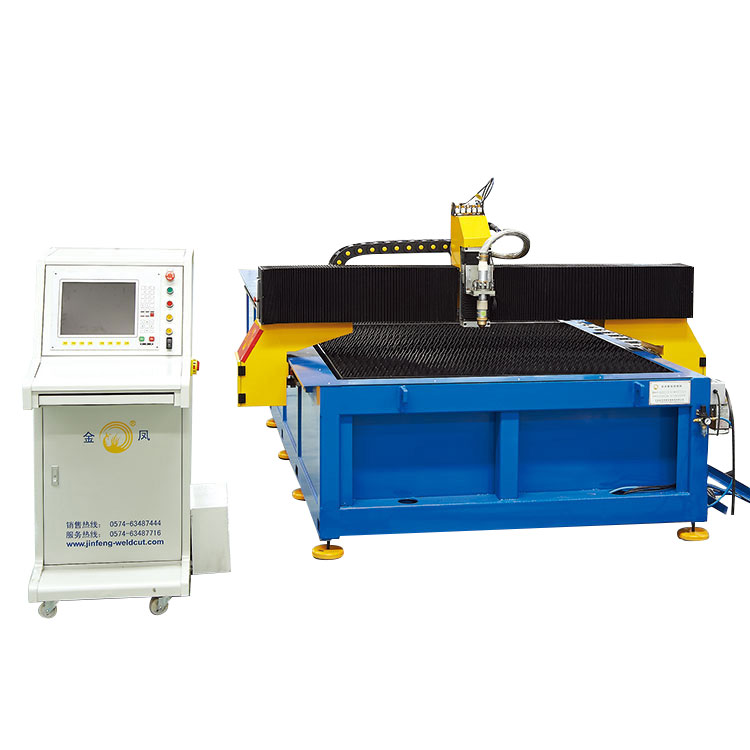
Table of Contents
- 1. Understanding Plate Cutting Machines
- 2. How Plate Cutting Machines Work
- 3. Common Customer Pain Points
- 4. Types of Plate Cutting Machines
- 5. Key Technical Parameters
- 6. How to Choose the Right Machine
- 7. Application Scenarios
- 8. Maintenance and Optimization Tips
- 9. Frequently Asked Questions
- 10. Conclusion
1. Understanding Plate Cutting Machines
Plate cutting machines are specialized industrial systems designed to cut metal plates into specific shapes and sizes with high accuracy. These machines are widely used in industries such as shipbuilding, construction, automotive manufacturing, and heavy equipment production.
Modern plate cutting solutions integrate automation, CNC control systems, and advanced cutting technologies to deliver consistent results while minimizing material waste.
2. How Plate Cutting Machines Work
Plate cutting machines operate by applying thermal, mechanical, or high-energy processes to separate metal plates. The method depends on the type of machine and material being processed.
- Thermal Cutting: Uses heat sources such as plasma or flame to melt material
- Laser Cutting: Employs focused laser beams for high-precision cuts
- Mechanical Cutting: Uses blades or shearing force
The process is typically controlled by CNC systems, ensuring repeatability and reducing human error. Advanced systems also include nesting software to optimize material usage.
3. Common Customer Pain Points
Customers often encounter several challenges when investing in or operating plate cutting machines:
- Inconsistent Cutting Quality: Poor edge finish or deformation
- High Operating Costs: Energy consumption and consumables
- Complex Operation: Difficult programming and setup
- Low Efficiency: Slow cutting speed affecting production timelines
- Maintenance Issues: Frequent downtime due to wear and tear
Addressing these issues requires selecting the right machine configuration and ensuring proper operation practices.
4. Types of Plate Cutting Machines
| Type | Cutting Method | Advantages | Best Application |
| Flame Cutting Machine | Oxy-fuel | Low cost, suitable for thick plates | Heavy steel fabrication |
| Plasma Cutting Machine | Ionized gas arc | Fast speed, good precision | Medium thickness metals |
| Laser Cutting Machine | Laser beam | High precision, clean edges | Thin to medium plates |
| Shearing Machine | Mechanical force | Simple operation, cost-effective | Straight cuts |
Each type offers distinct advantages depending on production requirements, material type, and budget constraints.
5. Key Technical Parameters
When evaluating plate cutting machines, several technical parameters must be considered:
- Cutting Thickness: Determines the machine’s capability range
- Cutting Speed: Impacts production efficiency
- Positioning Accuracy: Ensures dimensional precision
- Power Source: Influences performance and energy consumption
- Control System: Affects usability and automation level
Reliable manufacturers like JINFENG focus on optimizing these parameters to deliver stable performance and long-term durability.
6. How to Choose the Right Machine
Selecting the right plate cutting machine requires aligning technical specifications with operational needs.
- Material Type: Steel, stainless steel, aluminum, etc.
- Thickness Range: Choose machines suited for your workload
- Production Volume: High-volume operations require faster systems
- Budget: Balance between initial investment and long-term savings
- Automation Level: CNC and smart features improve efficiency
Investing in a high-quality machine reduces long-term costs and improves overall productivity.
7. Application Scenarios
Plate cutting machines are used across multiple industries:
- Shipbuilding and offshore engineering
- Construction and structural steel fabrication
- Automotive manufacturing
- Energy and power equipment production
Their versatility makes them indispensable for modern industrial processes.
8. Maintenance and Optimization Tips
Proper maintenance ensures consistent performance and extends machine lifespan.
- Regularly inspect cutting components and replace worn parts
- Calibrate CNC systems for accuracy
- Keep the machine clean and free from debris
- Monitor gas or power supply stability
Preventive maintenance minimizes downtime and enhances operational reliability.
9. Frequently Asked Questions
Q1: Which cutting method is best for thick steel plates?
Flame cutting is typically the most cost-effective solution for thick steel plates due to its ability to handle high thickness levels.
Q2: How can I improve cutting accuracy?
Using CNC-controlled systems, maintaining proper calibration, and selecting the correct cutting parameters significantly improve accuracy.
Q3: Are plate cutting machines energy-intensive?
Energy consumption varies by type. Laser and plasma systems are generally more efficient compared to traditional methods.
Q4: How long does a plate cutting machine last?
With proper maintenance, high-quality machines can operate efficiently for many years.
10. Conclusion
Plate cutting machines play a crucial role in enhancing precision, efficiency, and productivity in metal fabrication. By understanding different cutting technologies, evaluating key parameters, and addressing operational challenges, businesses can make informed decisions that lead to long-term success.
JINFENG provides advanced plate cutting solutions designed to meet diverse industrial needs, combining performance, reliability, and innovation.
If you are looking to upgrade your production capabilities with high-performance plate cutting machines, contact us today to discover tailored solutions that match your requirements and drive your business forward.
Send Inquiry



X
We use cookies to offer you a better browsing experience, analyze site traffic and personalize content. By using this site, you agree to our use of cookies.
Privacy Policy